


pharmaceutical grade
peptide guidance
Peptides are short chains of amino acids that act as messengers in the body, telling cells what to do and when to do it. Think of them as biological signals that help regulate key processes like metabolism, muscle repair, fat loss, energy production, hormone communication, inflammation, and recovery. As we age—and especially through chronic stress, poor sleep, inflammation, and hormonal shifts—many of these signals become weakened or disrupted. Peptide therapy works by restoring and optimizing those signals, helping the body respond the way it was designed to. Instead of forcing change, peptides support the body’s natural systems so it can heal, adapt, and function more efficiently, which is why many midlife women feel better energy, improved body composition, clearer thinking, and more resilience when peptides are used alongside proper nutrition, training, sleep, and lifestyle foundations

our favorites
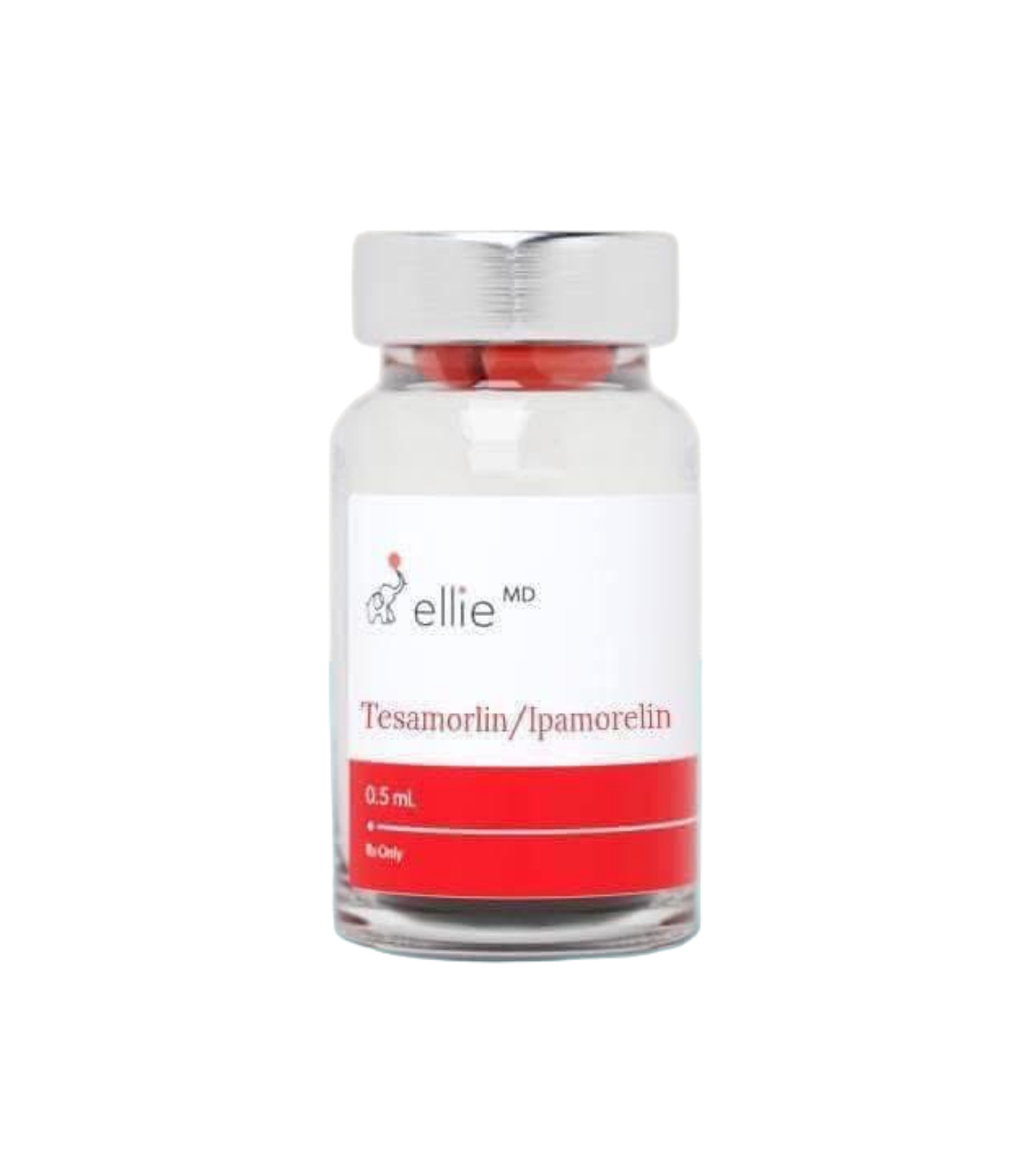
Peptide #1
Tesamorelin / Ipamorelin
Tesamorelin and Ipamorelin support your body’s natural growth hormone signaling, which declines with age and chronic stress. For midlife women, this often translates to feeling more rested, resilient, and recovered, even with busy lives and consistent training. Many women notice improved sleep quality, better muscle tone and definition, and a gradual reduction in stubborn visceral and belly fat that didn’t respond to diet or workouts alone. Recovery feels easier, workouts feel more productive, and the body finally feels like it can adapt again instead of constantly playing catch-up.
Peptide #2
Microdosing Tirzepatide
Microdosing tirzepatide works by stabilizing blood sugar and improving insulin sensitivity, which is a huge missing piece for many women in midlife. Instead of dramatic appetite suppression, women often report feeling calm around food, fewer cravings, and steady energy throughout the day. The constant post-meal crashes, hanger, and food noise quiet down, making it easier to eat balanced meals without overthinking. As insulin levels stabilize, the body can finally access stored fat for fuel, leading to fat loss without burnout, improved mental clarity, and a sense that the body is working with you again instead of against you.
Peptide #3
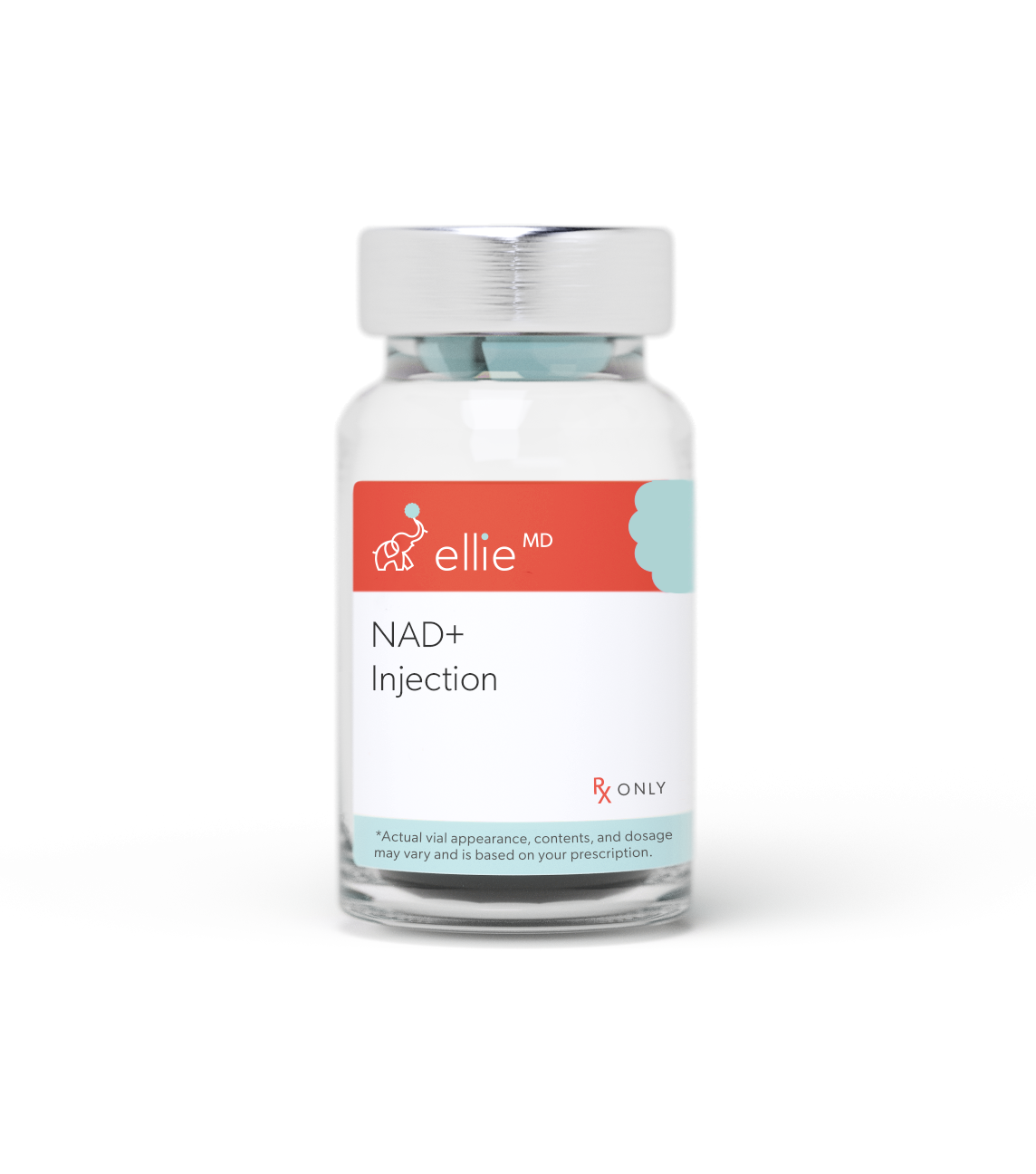
NAD+
NAD+ supports cellular energy production at the mitochondrial level, which is critical as we age. Midlife women often describe feeling a noticeable lift in mental clarity, focus, and overall vitality once NAD+ levels are supported. Instead of dragging through the day or relying on caffeine to function, energy feels clean, sustained, and stable. Many women also notice improved exercise endurance, better recovery, and a reduction in that “wired but tired” feeling that comes from chronic stress. It’s often described as feeling like your internal battery finally holds a charge again.
FAQs
Peptides are short chains of amino acids that act as signaling molecules in the body. They tell your body to do specific things like burn fat, build muscle, improve skin, or enhance recovery.
No. Peptides are not steroids or hormones. They work by supporting your body’s natural processes rather than overriding them like anabolic steroids do.
Depending on the peptide, they can help with fat loss, muscle preservation, recovery, sleep quality, skin and hair health, metabolism, inflammation, and hormone optimization.
When used responsibly, sourced properly, and dosed correctly, many peptides have strong safety profiles. Most mimic compounds your body already produces. Like anything, misuse or poor sourcing increases risk.
No — many peptides actually help preserve lean muscle while in a calorie deficit, which is why they’re popular during fat-loss phases.
Some people notice changes in sleep, appetite, or recovery within 1–2 weeks. Visible body composition or skin changes usually take 4–8 weeks.
Some peptides are injected subcutaneously for best absorption, while others come in oral, nasal, or topical forms. Injection sounds intimidating, but it’s typically very small and painless.
No. Peptides are a tool, not a shortcut. They work best when combined with proper nutrition, training, sleep, and lifestyle habits.
Most peptides stimulate your body’s natural pathways rather than shutting anything down. That’s why many people prefer them over hormone replacement when appropriate.
Pregnant or breastfeeding women, people with certain medical conditions, or anyone unwilling to commit to proper diet and lifestyle habits should avoid them or consult a medical professional first.
